Preserving Public Housing for the Future

Preserving Public Housing for the Future

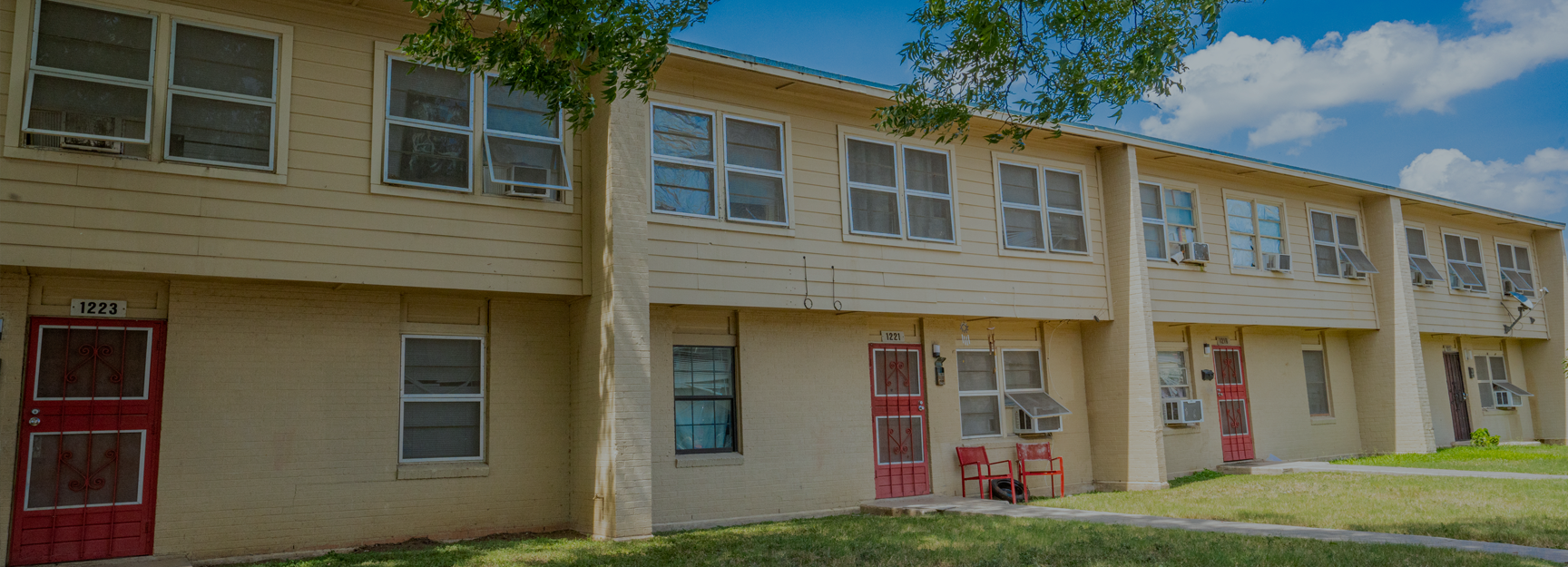
Opportunity Home San Antonio is committed to providing safe, modern and affordable housing. Many of our public housing communities were built decades ago and now need major repairs. At the same time, federal funding has not kept pace with the cost of maintaining these homes.

To preserve these communities for current and future residents, Opportunity Home is securing funding for major repairs. This will help keep housing affordable while protecting residents’ rights.

As we approach our 100th anniversary in 2037, we launched Strategy 2037: A Centennial Vision. This long-term plan ensures our deeply affordable housing stays safe, updated and financially strong for current residents and future generations.


Why Action Is Needed

These facts explain the challenges facing our public housing communities today.

$550 Million Repair Backlog
Deferred repairs and aging infrastructure needs across our public housing properties now exceed $550 million.

154-Year Funding Gap
Under old public housing rules, it would take at least 154 years to receive enough federal money to complete these critical repairs.

$1.4 Million Monthly Loss
Due to federal underfunding and rising maintenance costs, our public housing portfolio loses about $1.4 million every month.

Unlocking Repair Loans
Old Public Housing rules do not allow Opportunity Home to borrow money against properties to fund major work. Switching to the project-based rent subsidy model compared to the traditional public housing funded model lets Opportunity Home secure low-interest loans and financing to pay for large-scale renovations and complete rebuilding.


Nearly Double the Repair Funding
Converting properties under the Project-Based Voucher (PBV) model nearly doubles federal funding per unit, unlocking dedicated capital for major building upgrades.

Securing Available Federal Programs
Programs like Rental Assistance Demonstration (RAD) have successfully preserved affordable housing across the country since 2012. Moving forward now allows Opportunity Home to lock in these higher federal funding levels and guarantees while the program is actively available.

What is the Preservation Plan?

Approved by the U.S. Department of Housing and Urban Development (HUD), our preservation plan is the main tool we are using to achieve our Strategy 2037 goals. It allows Opportunity Home to convert properties from the old Public Housing funding program to the project-based funding program which provides more federal rental subsidies, such as PBV or PBRA (Section 8) for long-term sustainability.

This change does not mean your community will be sold or become market-rate housing. Opportunity Home will continue to own and manage your community, keeping it affordable for current and future residents.

Instead, it gives Opportunity Home the funding needed to fix plumbing, replace roofs, modernize kitchens, improve safety features and make other needed repairs.

Resident Rights and Protections

Throughout this process, federal law protects important resident rights, including:

Income-Based Rent
Your rent contribution will remain about 30% of your adjusted monthly income.


Continued Housing Assistance
Subsidy support remains tied to your home or property, ensuring ongoing financial assistance.


Legally Guaranteed Right to Return
If renovations require you to move temporarily, you have the legal right to return to an updated unit in your community.


No Re-Screening
You will not be asked to reapply or undergo new creditor background checks.


Full Relocation Support
If a temporary move is necessary for construction, Opportunity Home covers all expenses, including professional movers, utility setup and a comparable temporary home at no extra cost.

Lease Stability and Resident Rights
As long as you remain in good standing and continue to follow your lease, it will renew each year. You will also continue to have the right to join Resident Councils and participate in the formal grievance hearings process.

Comparing Traditional Public Housing and Project-Based Subsidy

What You Have Today Traditional Public Housing Project-Based (unit) Subsidy
Your Rent Based on ~30% of adjusted household income Based on ~30% of adjusted household income
Your Financial Support HUD Public Housing Operating Fund HUD Section 8 Project-Based Subsidy
Your Lease Yearly renewal Yearly renewal
Building Improvements Limited funds for repairs / No upgrades Access to new funding for major repairs and upgrades
Your Resident Rights Full HUD tenant protections Full HUD tenant protections

Phased Timeline: What to Expect

Repositioning is a multi-year process, and no one is asked to move without ample notice and a clear plan:

PHASE 1: Planning and Engagement (1 year)

  • Resident meetings, survey evaluations and community feedback
  • Developing relocation plans and environmental assessments
  • Submitting formal applications to HUD

PHASE 2: Approvals and Financial Preparation (1-2 Years)

  • HUD Review and approval of housing assistance subsidy
  • Securing preservation funding and finalizing construction financing
  • Delivering official written notices months in advance

PHASE 3: Renovations and Relocation Support (2-5 Years)

  • Construction begins on property improvements
  • Fully funded temporary resident relocation (if required)
  • Residents return to fully modernized homes

Stay Connected

We are committed to keeping residents and the community informed every step of the way. If you have questions or would like more information, you can contact your property staff, attend upcoming resident meetings, or use the contact information below.

  • Email: [email protected]
     
  • On-Site Support: Contact your Community Manager or Resident Service Coordinator.
     
  • Community Engagement: Watch for announcements about upcoming Resident Council meetings and information sessions at your property.


Subscribe for the latest updates